Time Moves Slower in Space — Real or Myth?
What if I told you… astronauts are literally time travelers?Not in sci-fi. Not in theory. But in real life.Time in space doesn’t tick the same way it does on Earth—and the difference is scientifically proven. The Science Behind It: Theory of Relativity According to Albert Einstein’s famous theory, time is
What if I told you… astronauts are literally time travelers?
Not in sci-fi. Not in theory. But in real life.
Time in space doesn’t tick the same way it does on Earth—and the difference is scientifically proven.
The Science Behind It: Theory of Relativity
According to Albert Einstein’s famous theory, time is not constant.
It can stretch or slow down depending on two key things:
- Speed (how fast you’re moving)
- Gravity (how strong it is around you)
Astronauts Age… Slightly Slower
Astronauts aboard the International Space Station are moving at around 28,000 km/h.
Because of this high speed:
- Time for them moves slightly slower compared to people on Earth
- After months in space, they return just a tiny fraction of a second younger
Yes—it’s small, but it’s real and measurable.
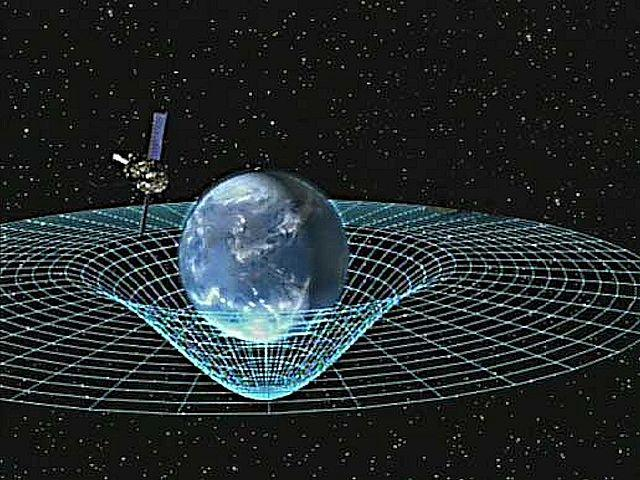
Gravity Also Affects Time
Here’s where it gets even more interesting:
- Stronger gravity (like near massive planets or black holes) → time slows down more
- Weaker gravity (like in space) → time moves slightly faster
So astronauts experience two effects at once:
- Speed slows their time
- Lower gravity speeds it up
The result? A tiny but fascinating difference.
Extreme Case: Near a Black Hole
Near a black hole, this effect becomes extreme.
- Time slows down drastically
- Hours for you could equal years on Earth
This idea was famously shown in the movie Interstellar—and surprisingly, the science behind it is accurate.
The Final Answer
So, is it real or a myth?
👉 It’s 100% real.
Time does move slower in space—but usually by very small amounts unless you’re near something extremely massive.
The Mind-Blowing Truth
Every astronaut who has ever gone to space…
has technically traveled into the future.
Not by years. Not by days.
But just enough to prove one incredible thing:
Time isn’t fixed—it’s flexible.

More from camploy








Related in Astronomy