There Are More Stars Than Grains of Sand on Earth — Is It True?
Look at a beach. Now imagine counting every grain of sand—every single one.Seems impossible, right? Now here’s the twist: the universe might still outnumber it.But is that just a poetic exaggeration… or actual science? The Number of Stars in the Universe Our home galaxy, the Milky Way galaxy, alone contains
Look at a beach. Now imagine counting every grain of sand—every single one.
Seems impossible, right? Now here’s the twist: the universe might still outnumber it.
But is that just a poetic exaggeration… or actual science?
The Number of Stars in the Universe
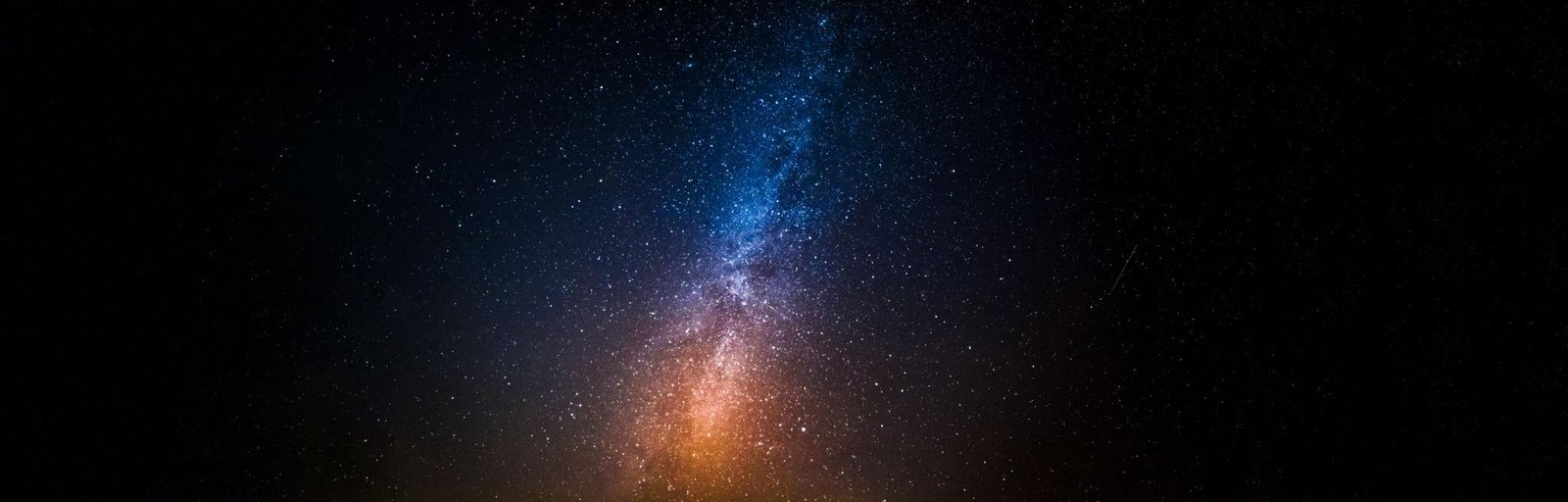
Our home galaxy, the Milky Way galaxy, alone contains around 100–400 billion stars.
Now zoom out. There aren’t just a few galaxies—there are hundreds of billions of galaxies in the observable universe.
When scientists combine these estimates, the number of stars comes out to roughly:
👉 1,000,000,000,000,000,000,000,000 stars
(that’s 1 septillion, or 10²⁴)
What About Grains of Sand on Earth?
Now let’s come back to Earth.
Scientists have tried estimating all the sand on:
- Beaches
- Deserts
- Ocean floors
The result? Around:
👉 10¹⁸ to 10²⁰ grains of sand
That’s a massive number—but still far less than the estimated number of stars.
So… Which One Wins?
Even at the highest estimate of sand grains, stars outnumber sand by thousands to millions of times.
So yes—the statement is actually true.
There really are more stars in the universe than grains of sand on all the beaches and deserts of Earth.
The Bigger Perspective
But here’s what makes this truly mind-blowing:
Every one of those stars could have planets.
Some of those planets could have oceans, skies… maybe even life.
So when you hold a handful of sand, you’re not just holding tiny particles—
you’re holding a reminder of how unbelievably vast the universe really is.

More from camploy







Related in Astronomy