Why We Overthink at Night
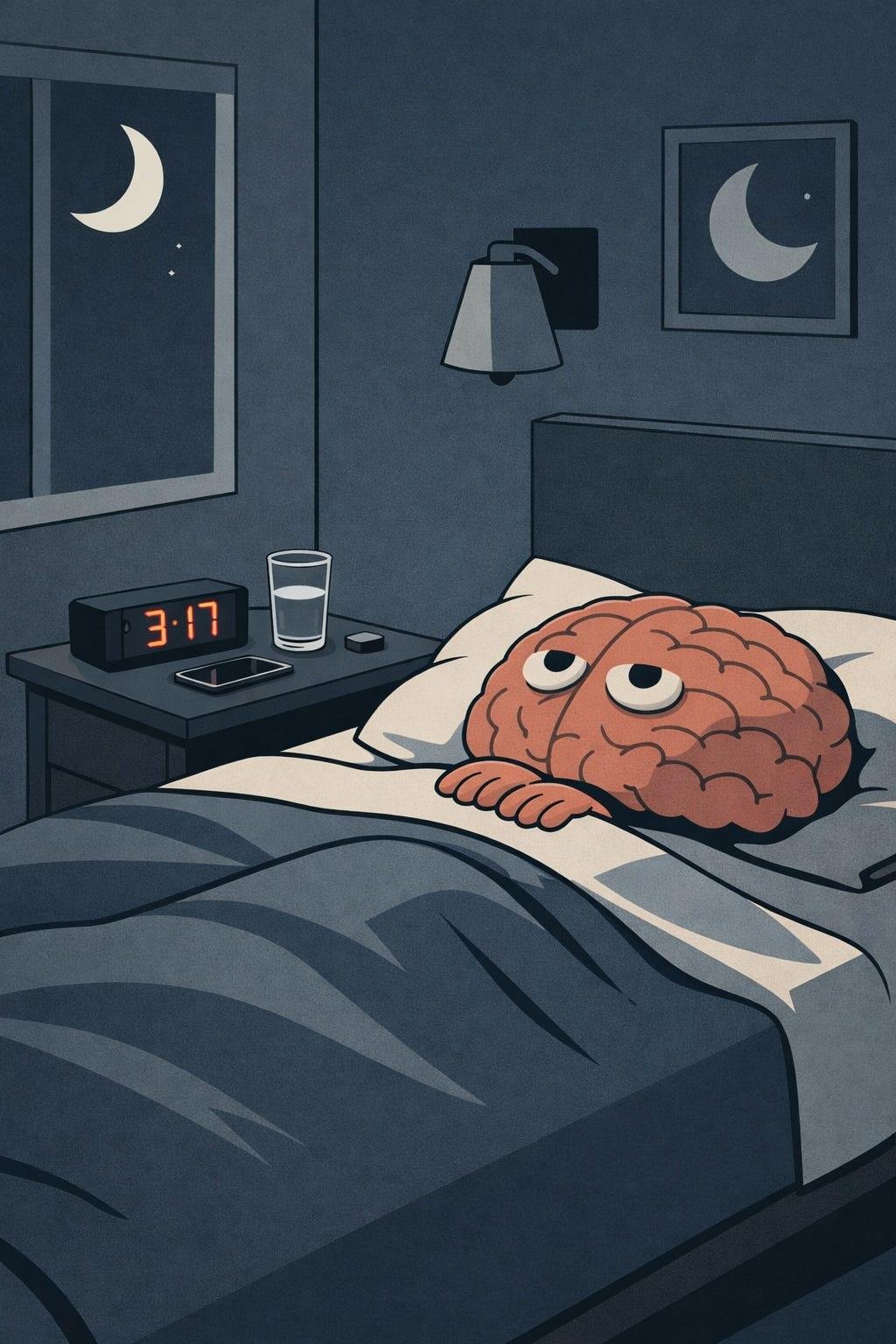
All day you’re fine. Busy. Distracted. Normal.But the moment your head hits the pillow… your brain suddenly decides to review your entire life.Old mistakes. Future worries. Random “what ifs.” Why does this always happen at night? 🧠 1. Fewer Distractions = Louder Thoughts During the day, your brain is occupied:
All day you’re fine. Busy. Distracted. Normal.
But the moment your head hits the pillow… your brain suddenly decides to review your entire life.
Old mistakes. Future worries. Random “what ifs.” Why does this always happen at night?
🧠 1. Fewer Distractions = Louder Thoughts
During the day, your brain is occupied:
- Work
- People
- Notifications
At night, everything goes quiet. And when the world slows down, your thoughts get louder.
It’s not that you’re thinking more—it’s that you’re finally hearing yourself clearly.
🌑 2. Your Brain Switches to “Reflection Mode”
At night, your mind naturally shifts from action to reflection.
It starts:
- Replaying conversations
- Analyzing decisions
- Imagining future scenarios
This is your brain trying to process unresolved things—but it often turns into overthinking.
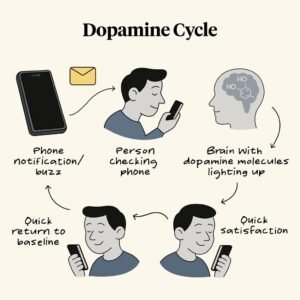
📱 3. Phone Use Makes It Worse
Late-night scrolling doesn’t relax your brain—it stimulates it.
- Social media triggers comparison
- News increases anxiety
- Blue light disrupts sleep hormones
So instead of calming down, your brain stays active—and thinking spirals begin.
😟 4. Anxiety Feels Stronger in the Dark
At night, problems feel bigger than they actually are.
Why?
- You’re tired
- Your emotional control is lower
- There’s no immediate solution available
So small worries start feeling overwhelming.
⏳ 5. Unfinished Thoughts Come Back
Anything you avoided during the day returns at night:
- Decisions you postponed
- Conversations you didn’t have
- Tasks you didn’t complete
Your brain tries to “close open loops”—but ends up creating more.
🧠 The Reality Check
Overthinking at night isn’t a weakness.
It’s your brain trying to make sense of your life—just at the wrong time.
🌙 What Actually Helps
Simple changes can reduce it:
- Write your thoughts before sleeping
- Avoid screens 30–60 minutes before bed
- Keep a fixed sleep schedule
- Focus on breathing or calming routines
🚀 The Truth
Your mind doesn’t become negative at night—
it becomes unfiltered.

More from camploy