Why Discounts Don’t Always Increase Sales
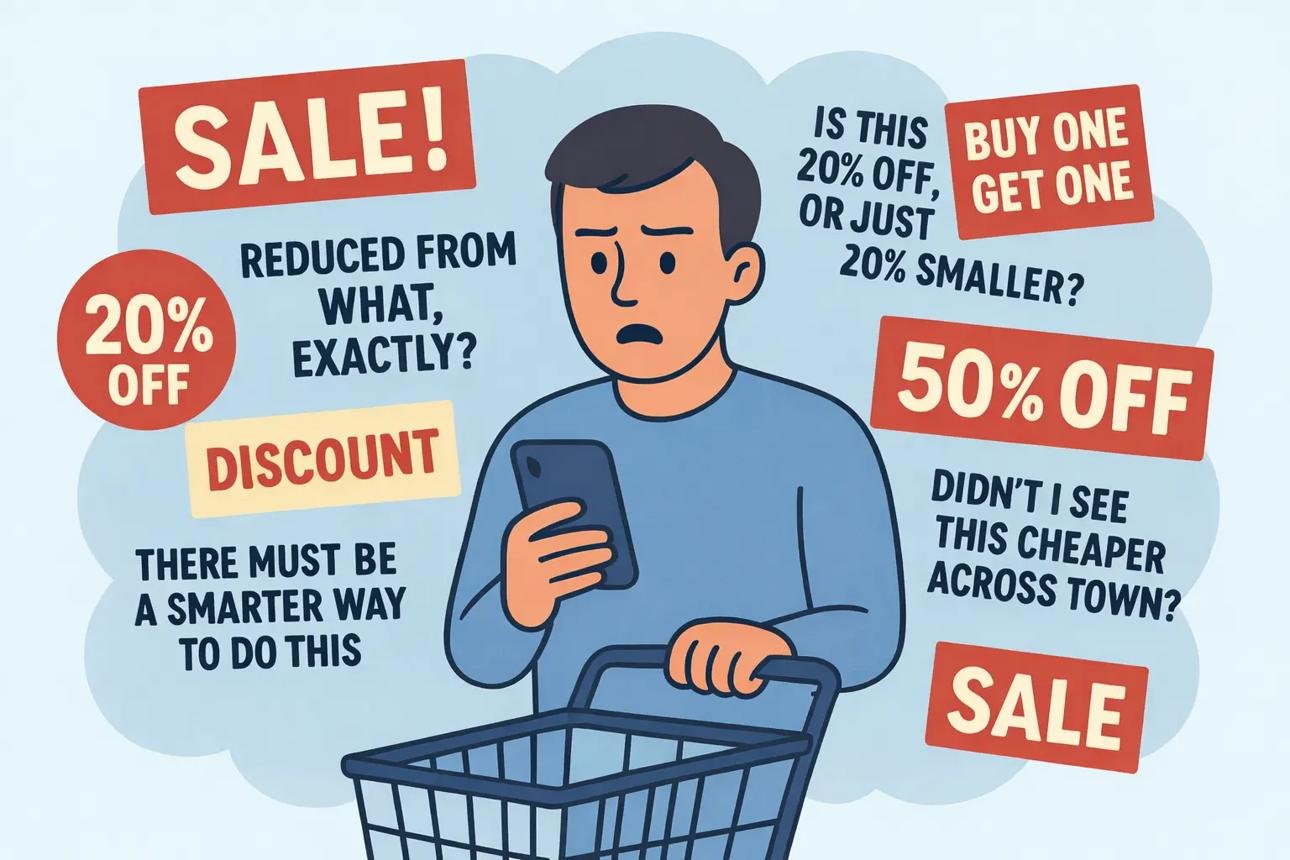
Slashing prices feels like the fastest way to boost sales.“Lower price = more customers,” right? Not always.In many cases, discounts quietly damage your business instead of growing it. 🧠 1. Discounts Can Kill Perceived Value When something is always on sale, people start thinking:“Was this ever worth the original price?”
Slashing prices feels like the fastest way to boost sales.
“Lower price = more customers,” right? Not always.
In many cases, discounts quietly damage your business instead of growing it.
🧠 1. Discounts Can Kill Perceived Value
When something is always on sale, people start thinking:
“Was this ever worth the original price?”
Frequent discounts make your product look:
- Cheap
- Replaceable
- Low quality
And once value drops in the customer’s mind, it’s hard to rebuild.
📉 2. You Attract the Wrong Customers
Heavy discounts bring price-sensitive buyers, not loyal customers.
These customers:
- Buy only when there’s a deal
- Don’t stick around
- Easily switch to competitors offering lower prices
So sales may increase temporarily—but retention drops.
💰 3. Profit Shrinks Faster Than You Think
Even a small discount can eat a huge chunk of profit.
Example:
If your margin is 20% and you give a 20% discount…
👉 You’re basically making zero profit
More sales ≠ more profit.
🔄 4. Customers Start Waiting for Sales
Once you train your audience to expect discounts:
- They delay purchases
- They ignore full-price offers
- They only buy during promotions
You create a cycle where your own pricing loses power.
🧩 5. It Doesn’t Fix the Real Problem
If your product isn’t selling, the issue is usually:
- Weak positioning
- Poor marketing
- No clear differentiation
Discounting is just a temporary patch, not a solution.
🧠 The Smarter Approach
Instead of lowering price, focus on increasing perceived value:
- Better storytelling
- Strong branding
- Clear benefits
- Social proof
Make people feel: “This is worth it”—not “This is cheap.”

More from camploy